Lord Henry Wotton
Lord Henry Wotton, known to his intimates as Harry, is the brilliant, languid aristocrat whose paradoxical aphorisms and amoral worldview serve as the philosophical engine of Oscar Wilde's The Picture of Dorian Gray. He is the character who, without ever lifting a hand in violence, sets in motion the chain of events that destroys Dorian Gray, Basil Hallward, Sibyl Vane, and Alan Campbell. His function is less that of a traditional antagonist than of a tempter or a vivisectionist, treating human life as a fascinating experiment and human souls as raw material for his intellectual amusement.
Identity and Background
Lord Henry is a man of rank and wealth, married to Lady Victoria Wotton, a woman whose dresses always looked as if they had been designed in a rage and put on in a tempest. He describes the one charm of marriage as making a life of deception necessary for both parties, and he speaks of his wife with a detached, amused contempt. He is an Oxford friend of Basil Hallward, and from their first appearance together in the studio, he dominates the conversation with a stream of epigrams. He smokes opium-tainted cigarettes, lounges on divans, and speaks in a low, musical voice that seems to make everything he says irresistible. His cynicism, as Basil observes, is simply a pose, but it is a pose so consistently maintained that it becomes a kind of truth. He chooses his friends for their good looks, his acquaintances for their characters, and his enemies for their brains, a taxonomy that reveals his aesthetic and intellectual priorities.
The Philosopher of the New Hedonism
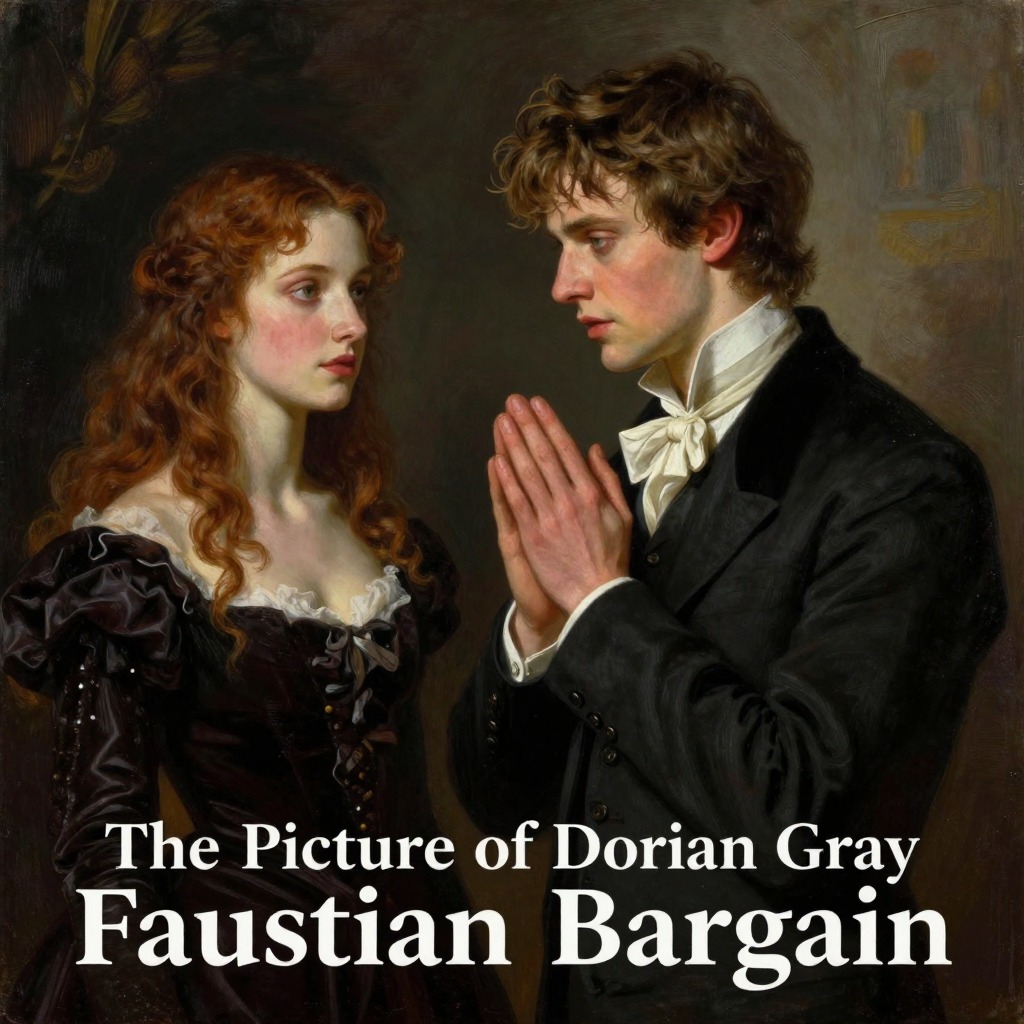
Lord Henry's most significant act is the delivery of a long, seductive speech in Basil's garden on the day the portrait is finished. He tells Dorian that beauty is a form of genius, higher than genius itself, and that youth is the one thing worth having. He warns him that time is jealous of his beauty and that he will suffer horribly when it fades. He urges him to live, to be always searching for new sensations, to be afraid of nothing. He proclaims that a new hedonism is what the century wants, and that Dorian might be its visible symbol. This speech, delivered with a graceful wave of the hand and a voice like music, strikes a secret chord in Dorian that has never been touched before. It is the direct cause of Dorian's desperate wish that the portrait should age instead of him. Lord Henry later reflects with pleasure that Dorian's soul has turned to Sibyl Vane and bowed in worship before her through certain words of his, musical words said with musical utterance. He regards the lad as his own creation, a premature gathering of harvest while it is yet spring, and he watches Dorian's development with the detached interest of a scientist studying a specimen.
The Corrosive Influence on Dorian Gray
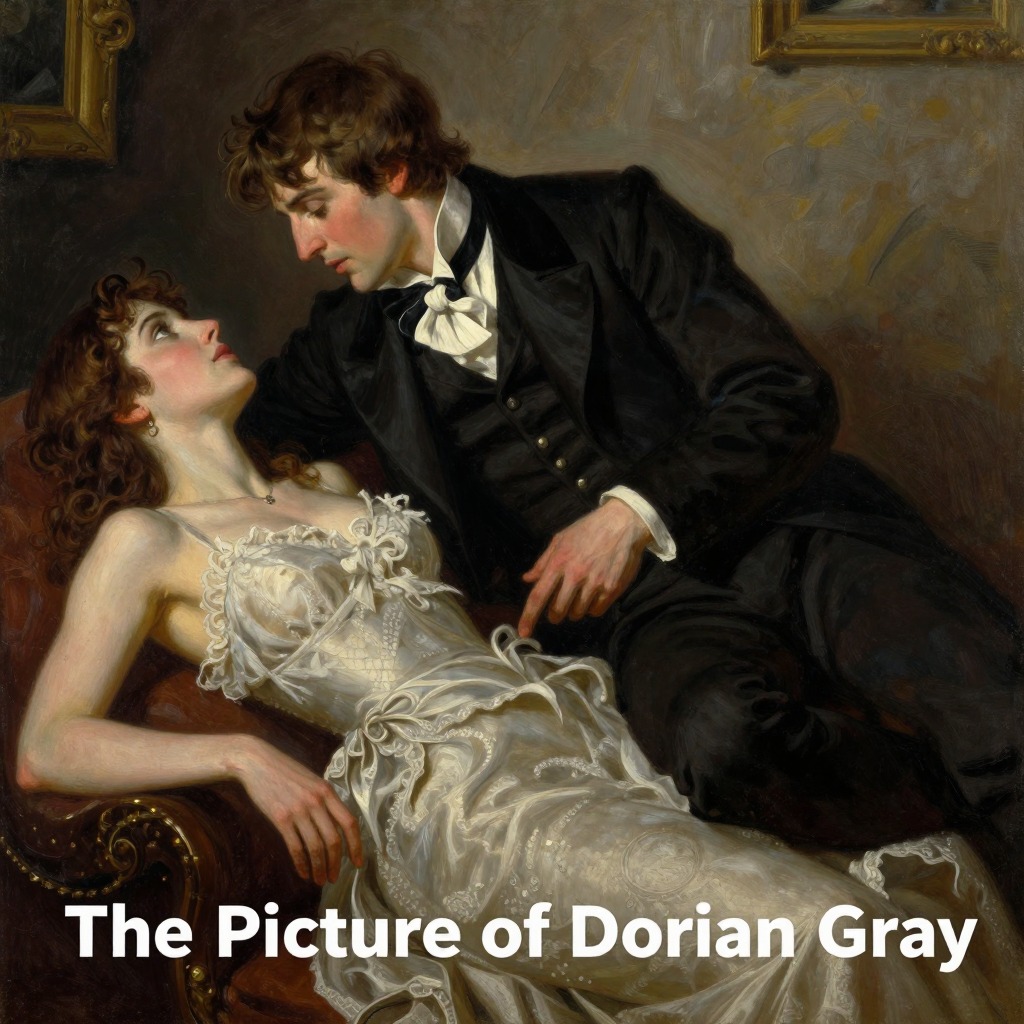
Throughout the novel, Lord Henry continues to pour his poisonous theories into Dorian's ear. When Dorian announces his engagement to Sibyl Vane, Lord Henry dismisses the girl as a delightful experience and hopes that Dorian will passionately adore her for six months and then become fascinated by someone else, because he would be a wonderful study. When Sibyl kills herself after Dorian's brutal rejection, Lord Henry arrives not with sympathy but with a letter announcing the news, and then proceeds to console Dorian by reframing the tragedy as a beautiful artistic event. He tells Dorian that the girl never really lived, and so she has never really died, and that she was less real than the heroines of Shakespeare. He assures Dorian that he has not been wounded by the tragedy, and that it is simply like a wonderful ending to a wonderful play. Dorian, listening, feels that Harry has explained him to himself, and he accepts this aestheticized, amoral interpretation of his own cruelty. Lord Henry also sends Dorian a yellow book, a poisonous French novel without a plot, whose hero becomes a prefiguring type of Dorian himself. Dorian procures five large-paper copies of the first edition and has them bound in different colors to suit his various moods. The book, like Lord Henry's conversation, becomes a manual for a life of sensation without conscience.
Relationships and the Limits of Influence
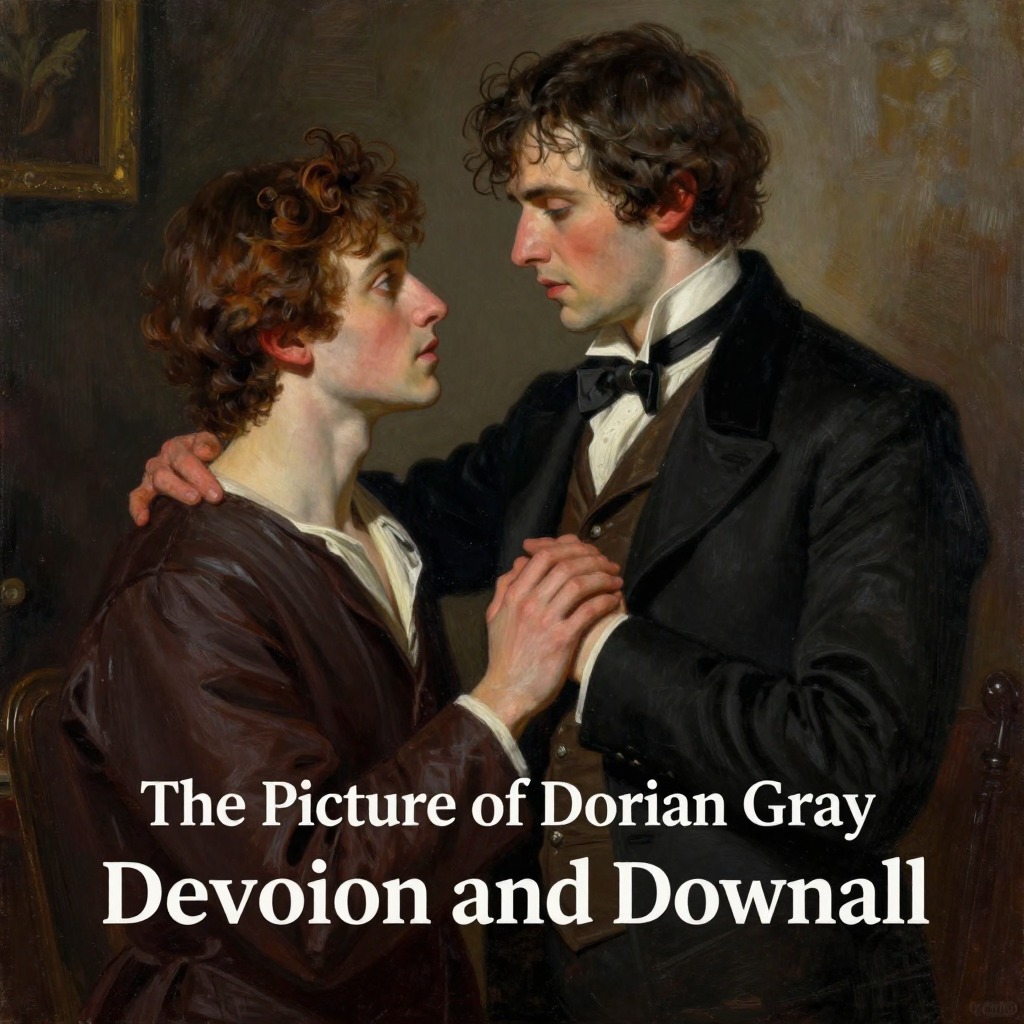
Lord Henry's relationship with Basil Hallward is one of affectionate condescension. He laughs at Basil's scruples and dismisses his art as something that leaves him nothing for life but his prejudices and his common sense. When Basil confronts Dorian about the rumors surrounding his life, Lord Henry is not present, but his influence is everywhere in Dorian's response. Yet Lord Henry remains the only one of Dorian's friends who stays loyal to him throughout the years of scandal. He is the one person to whom Dorian feels he can confide anything, even a crime. Dorian tells him, "If I ever did a crime, I would come and confide it to you. You would understand me." And indeed, Lord Henry does understand, or at least he claims to. When Basil disappears, Lord Henry discusses it with Dorian over dinner, speculating idly about whether Basil was murdered, and then moving on to ask Dorian to play Chopin. He never suspects Dorian, or if he does, he never shows it. His final conversation with Dorian is a masterpiece of sustained blindness, in which he praises Dorian's unchanged youth and tells him that life has been his art.
The Final Judgment and Thematic Significance
Lord Henry's last words to Dorian are a warning not to change, not to spoil his perfection by renunciations. He tells Dorian that he is the type of what the age is searching for, and that life has been his art. He leaves Dorian alone, and Dorian goes home to destroy the portrait and, in doing so, to kill himself. Lord Henry's philosophy, which promised a life of exquisite sensations and freedom from conscience, has led directly to the destruction of everyone who came close to it. He himself remains untouched, still elegant, still witty, still dining at the club. He is the embodiment of the novel's central warning: that a life lived entirely for beauty and pleasure, without moral responsibility, is not a life of freedom but a life of corruption. Lord Henry is not a villain in the conventional sense; he is something far more dangerous: a man whose ideas are so charming that they destroy anyone who takes them seriously.